CURBSIDE COMPOSTING
INSTITUTE CURBSIDE COMPOSTING
- More than a quarter of the material [actually 27%] that goes into the South Wake Landfill is compostable foodstuffs.
- Of all the material that goes into the landfill, 44% is compostable.
- At the current rate, the landfill will reach full capacity in 2040.
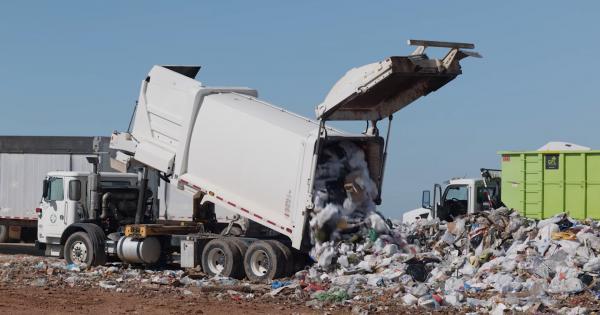
No landfill has been identified to which Cary's trash will go when the South Wake Landfill is closed. Wherever that trash goes, it will be more expensive to get it there and more expensive to dump it there.
The longer we can extend the life of the landfill, the longer we can postpone the greater expense of hauling and disposing of Cary’s trash elsewhere.
This is a case of spending a little money now to save much more in the future.
The Town of Cary began a pilot program in February 2023 in which residents can drop off compostable materials at the Dixon Convenience Center. This is an excellent start.
A second drop-off location was established in 2024 at Mills Park.
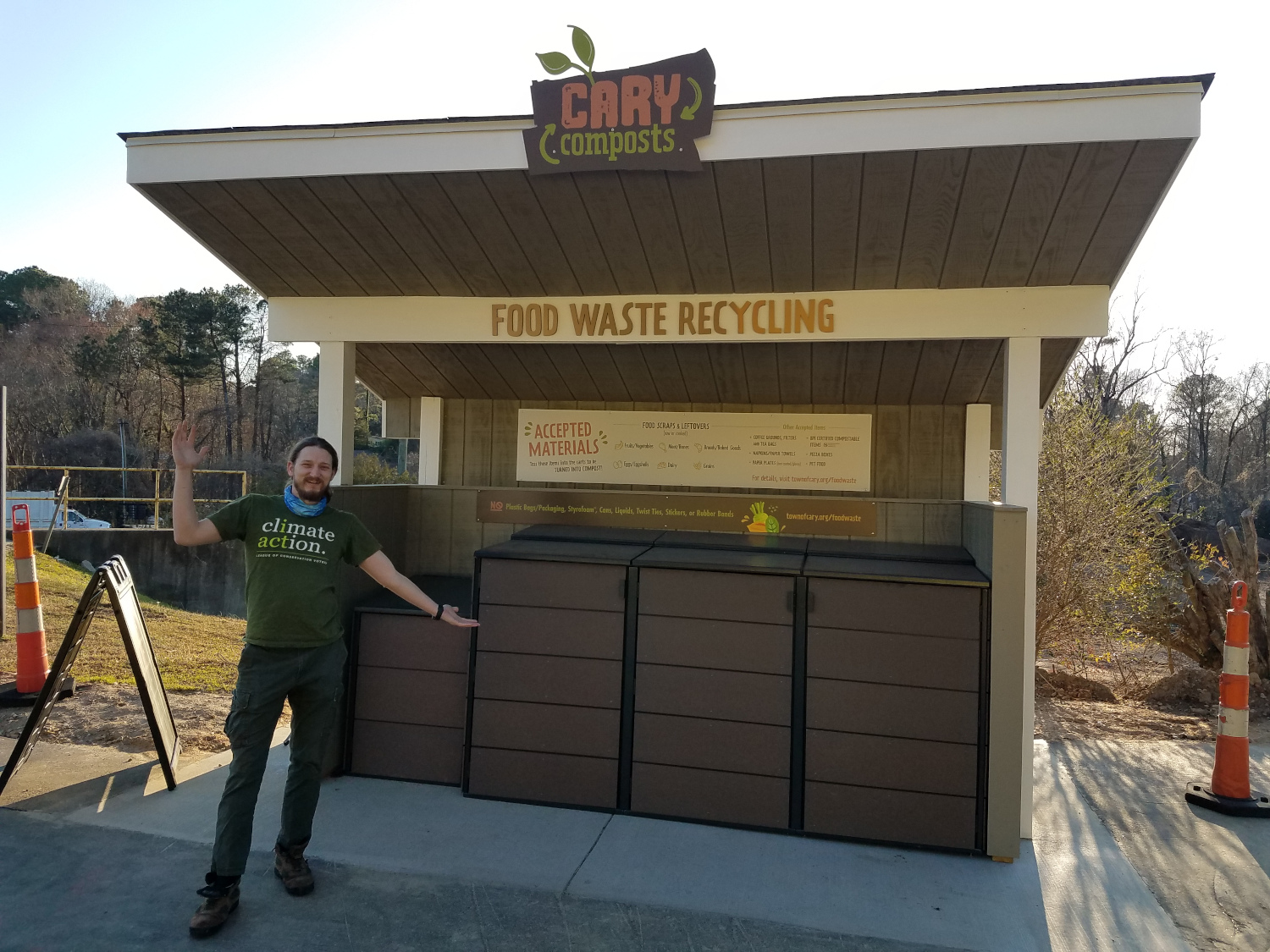
The goal must be to institute full curbside collection of compostable material for all single-family homes, apartments, condos, and businesses.
Failure to do so now will result in a huge rise in Cary citizens' monthly solid-waste fees in the near future.
A private company [CompostNow] currently collects compost at residents' curbsides. Each week they collect a full bucket at my house and leave an empty one. The cost was $30 a month and it just increased to $40 a month. I'm not a business person, but I believe this high cost is caused in part by the relatively large distances between customers' homes. If the Town were also to institute universal curbside pickup, or form a partnership with CompostNow or another company, the cost per stop could be significantly reduced.
The decision whether to institute curbside composting should not be based on a simple comparison between the current cost of curbside composting and the future additional cost of dumping at some distant landfill. A healthy society does not ignore a problem and leave it to future residents to overcome when it manifests.
The populations of Cary and nearby towns in Wake County are growing rapidly. The amount of trash we generate increases commensurately. When foodstuffs are placed in a landfill, they are broken down in an oxygen-free process called anaerobic decomposition, which produces carbon dioxide and the much more harmful gas, methane. [Efforts to capture methane at landfills are woefully inefficient.] These gases escape into our atmosphere, making it even more polluted.
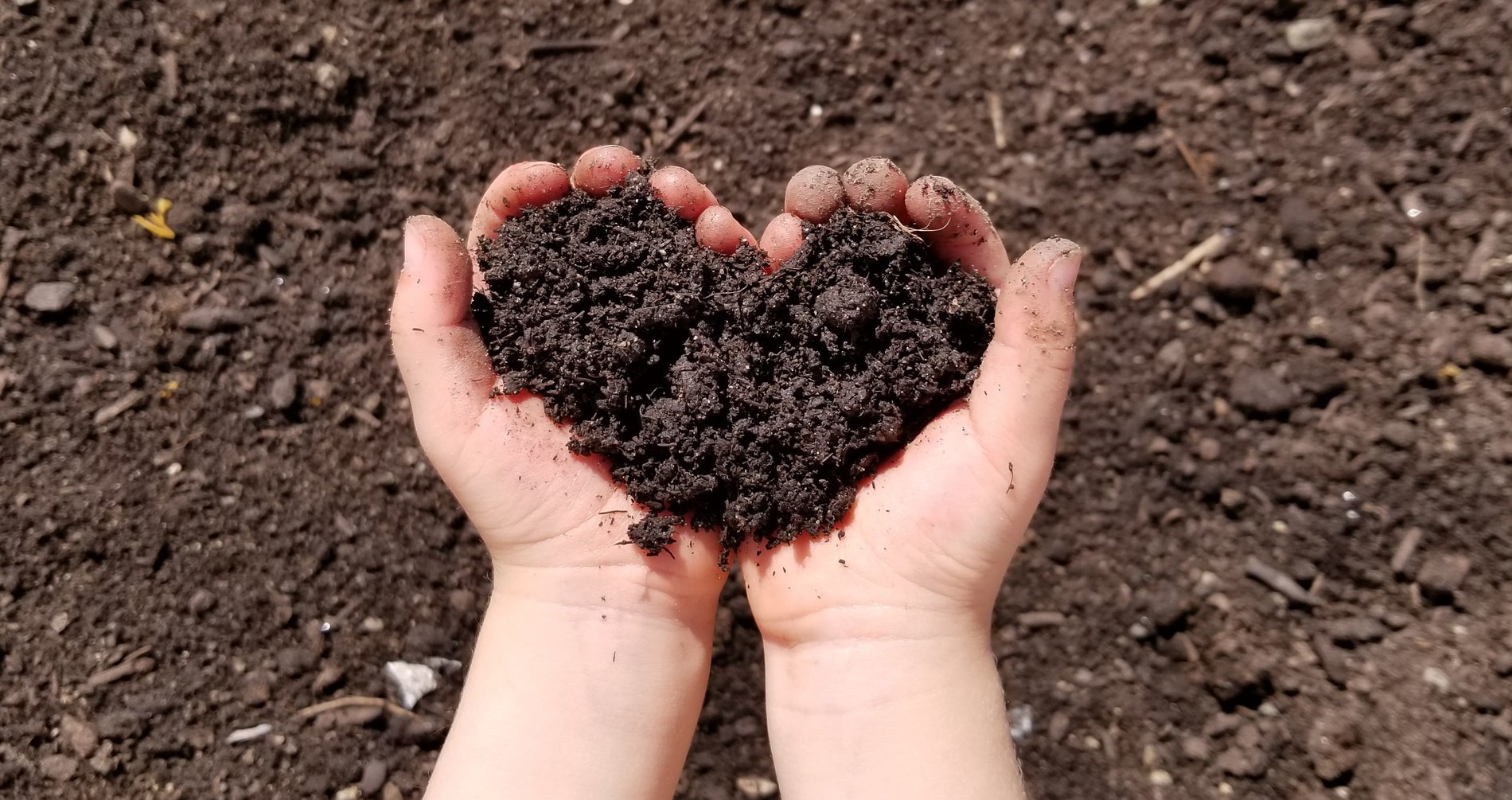
There are benefits to be had from using the produced compost. Much of Cary's topsoil has been removed in preparation for construction. [Why this is allowed is a mystery.] The resulting ground is not absorbent, increasing runoff and thereby contributing to greater streambank erosion and more frequent flooding.
☉ Ground treated with compost becomes more absorbent, and the flowers, bushes, and trees that grow in this enriched soil are both more beautiful and more beneficial.
☉ Compost eliminates the need for chemical fertilizers, whose runoff is poisoning our streams, rivers, oceans, and us!

Read how the Town's provision of an opportunity for citizens to extend the life of the landfill has been a smashing success, and consider how Cary — instead of following Durham's example — could itself become a leader in this critical environmental initiative.